
How to Choose the Right Event Venue in Nigeria: 9 Things to Consider
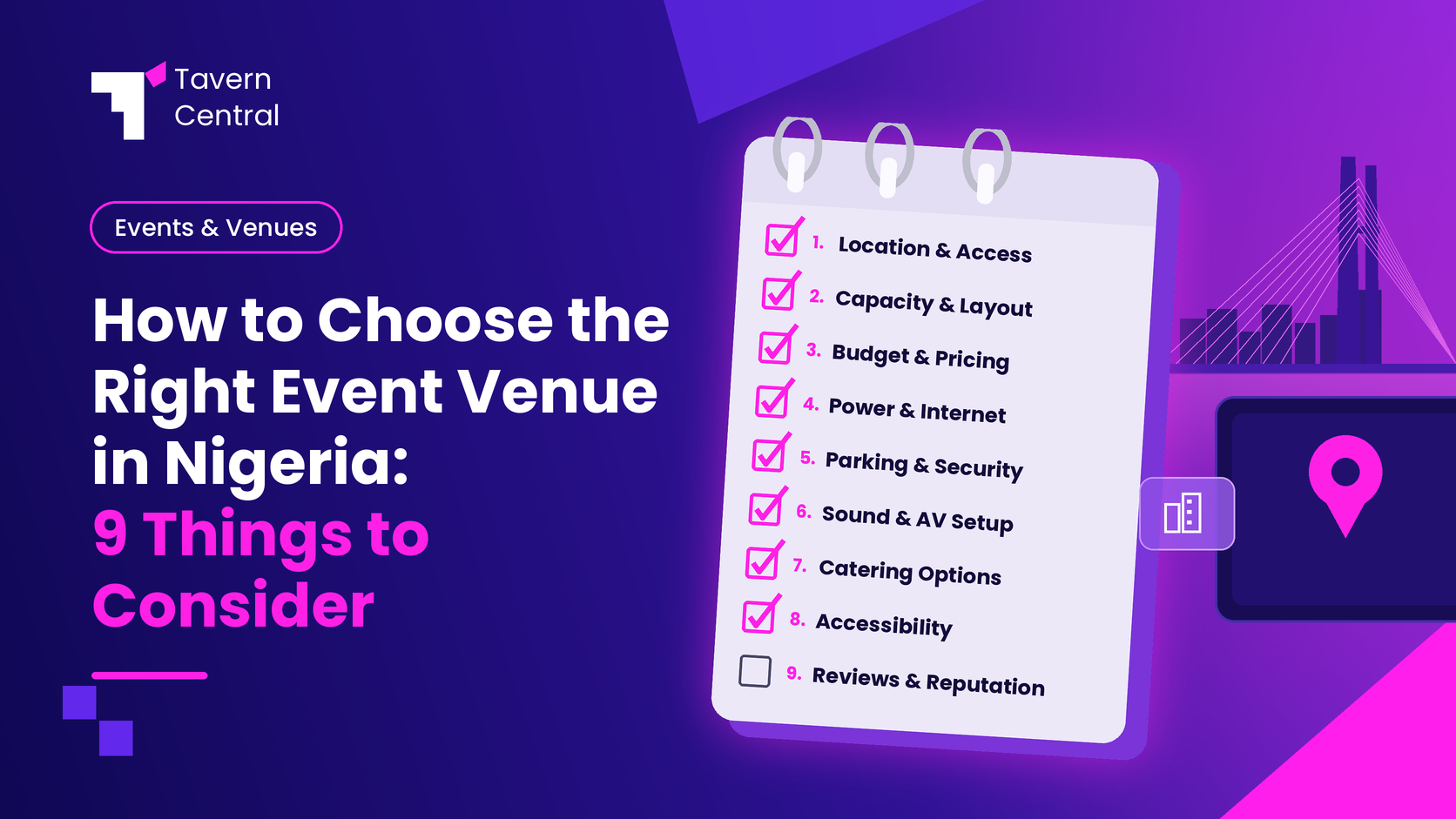
Choosing an event venue is one of the most important decisions you will make when planning a conference, wedding reception, corporate meeting, workshop, concert or community gathering. The right venue creates a comfortable experience for your guests, supports your event objectives and helps you manage your budget. The wrong one can introduce unnecessary costs, accessibility problems and last-minute complications.
In Nigeria, venue selection requires additional attention to traffic, power supply, security, parking, weather conditions and the availability of essential facilities. A hall that looks impressive in photographs may not provide everything your event needs.
If you are wondering how to choose the right event venue, this guide covers nine practical factors to evaluate before paying a deposit or signing a booking agreement.

1. Define Your Event Objectives and Requirements
Before searching for an event hall, clarify what you want to achieve. A corporate conference may require presentation equipment, reliable internet access, professional seating and dedicated networking areas. A birthday celebration may prioritise ambience, entertainment space and catering facilities. A training workshop may need tables, power outlets and a layout that encourages participation.
Write down your event objectives, estimated guest count, preferred date, programme format and essential facilities. These requirements will help you compare venues objectively rather than choosing one simply because it looks attractive.
Consider whether your event will be formal, informal, educational or entertainment-focused. Your venue should support the atmosphere you want to create and the activities your guests will participate in.
2. Choose a Convenient and Accessible Location

Location can influence whether registered guests arrive on time and whether potential attendees decide to participate.
When evaluating an event venue in Nigeria, consider its proximity to major roads, public transport, hotels and recognisable landmarks. In cities such as Lagos and Abuja, traffic conditions can significantly affect travel time, particularly during rush hours.
Share the venue's exact address with potential attendees before they register. If the location is difficult to find, provide clear directions, nearby landmarks and parking instructions.
For events attracting guests from outside the city, consider proximity to airports, accommodation and major transport connections. A conveniently located venue reduces travel stress and makes the event more accessible to a wider audience.
3. Match the Venue Capacity to Your Expected Attendance
The number of people attending your event should determine the size of the venue.
A room that is too small can create overcrowding, restrict movement and make guests uncomfortable. An excessively large hall can make a small gathering feel empty and may increase rental and decoration costs unnecessarily.
Estimate your attendance before selecting a venue. Remember that the total space must accommodate more than chairs. Consider registration desks, speakers, presentation screens, catering stations, exhibition booths, photography areas and emergency exits.
Ask the venue manager for the approved capacity under your intended seating arrangement. A venue that accommodates 200 people in theatre-style seating may accommodate fewer when you use classroom seating or round tables.
If you are selling tickets, set your registration limit according to the venue's approved capacity and your actual event layout. This helps prevent overselling and makes attendee management easier.
4. Establish Your Budget Before Making a Booking
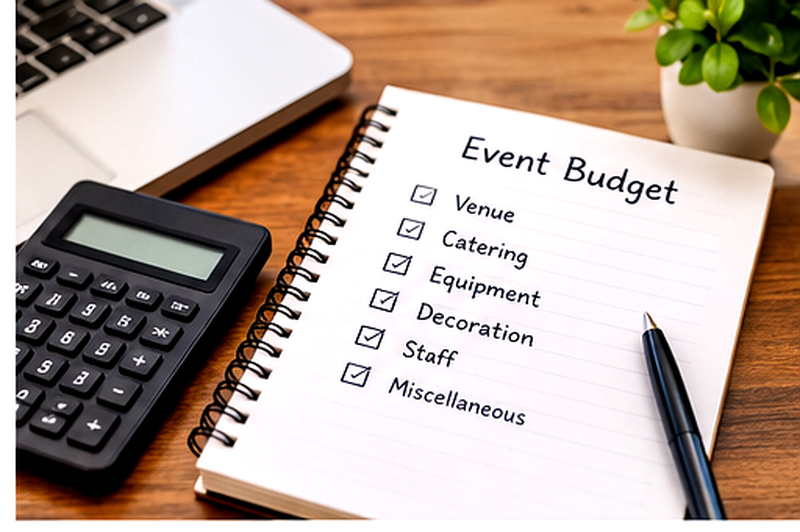
Venue rental is only one part of your event budget. Additional expenses may include security, cleaning, furniture, power generation, air conditioning, equipment hire, decoration, overtime and refundable deposits.
Request a detailed quotation that explains what the venue fee covers. Ask whether you must use the venue's preferred caterer, pay separately for electricity or provide your own audiovisual equipment.
Compare at least two or three suitable venues using the same criteria. A cheaper venue may become more expensive if you need to hire equipment, arrange additional transport or pay for services that another venue includes.
It is also wise to reserve part of your budget for unexpected expenses. This gives you flexibility if you need additional equipment or encounter an operational issue during preparation.
For paid events, estimate your break-even point before setting ticket prices. Include venue expenses, marketing, staffing, payment-related fees and other operating costs. Your ticket revenue should support the event's financial objectives without making admission unnecessarily expensive.
5. Check Power Supply, Internet and Technical Facilities
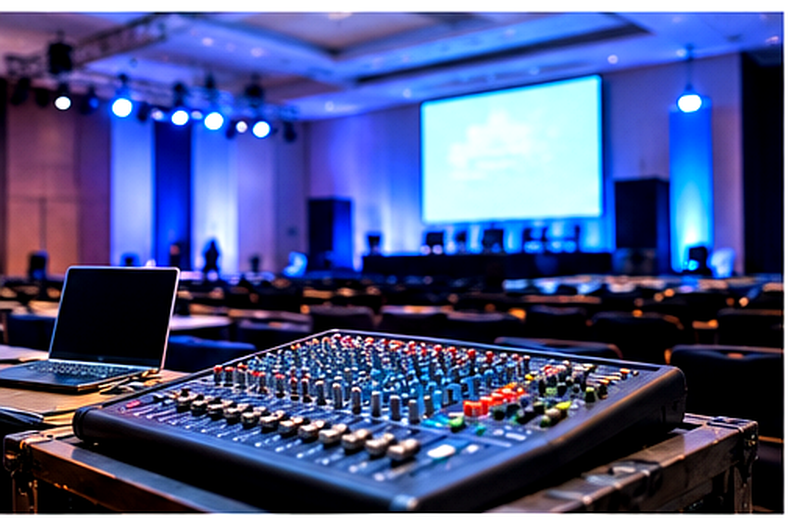
Technical reliability is essential for modern events, especially conferences, product launches, workshops and hybrid meetings.
Confirm that the venue has adequate electricity, backup power, ventilation, lighting and working restrooms. If your event depends on live presentations, online streaming or digital demonstrations, test the relevant equipment before confirming the booking.
Ask about the availability of projectors, microphones, speakers, extension cables, Wi-Fi and technical support. Do not assume that these facilities are included in the rental price.
For virtual or hybrid events, test the internet connection at the actual location where you intend to broadcast. Check upload speeds, network stability and the availability of backup connectivity.
Create a technical checklist covering every essential piece of equipment. Where possible, arrange a site inspection or technical rehearsal to identify problems before guests arrive.
6. Prioritise Safety, Security and Accessibility
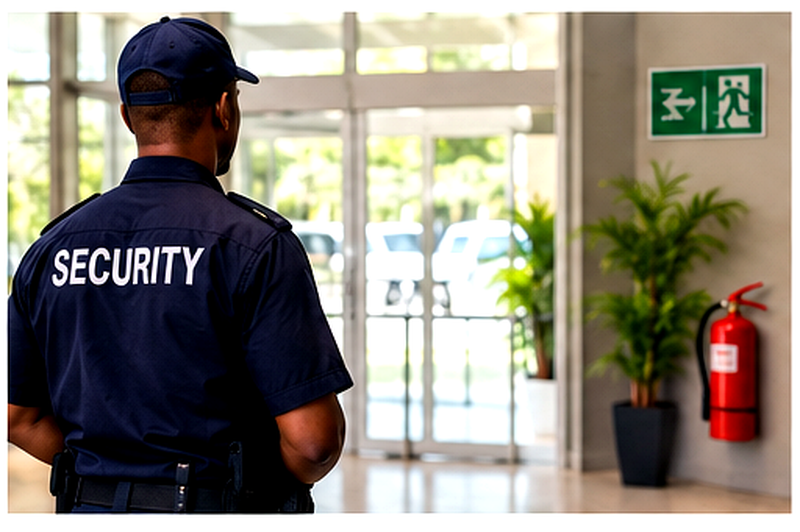
A suitable event venue should provide a safe and comfortable environment for every attendee.
Inspect emergency exits, fire-safety equipment, access routes and the venue's emergency procedures. Ask about security personnel, crowd management, first-aid arrangements and procedures for handling unexpected incidents.
Accessibility also deserves careful attention. Check whether guests with mobility limitations can enter the building, reach the event space and use appropriate restroom facilities. Consider seating arrangements for older guests and anyone who may need additional assistance.
If the event will attract a large audience, confirm how entry and exit points will be managed. Separate registration and check-in areas can help reduce congestion at the entrance.
Before paying, review the venue's cancellation terms, responsibilities for damages and arrangements for postponements. A written agreement provides greater clarity than relying entirely on verbal assurances.
7. Evaluate Parking, Catering and Guest Comfort

A venue may meet your technical requirements but still create a poor guest experience if visitors struggle to park, find refreshments or remain comfortable throughout the programme.
Ask how many vehicles the parking area can accommodate and whether additional parking is available nearby. If parking is limited, communicate alternative transport arrangements before the event.
For catering, confirm whether outside vendors are permitted, whether kitchen facilities are available and whether food service is included in the booking. If you expect guests to remain for several hours, plan suitable refreshments and meal breaks.
Inspect seating, lighting, ventilation, acoustics and restroom facilities. These details can influence how long guests remain engaged and how positively they remember the occasion.
Also consider the venue's restrictions on music, decorations, photography, event timings and equipment installation. Understanding these limitations early will help you avoid unnecessary disputes.
8. Visit the Venue and Confirm Every Important Detail

Photographs, online listings and recommendations can help you build a shortlist, but a physical inspection provides a clearer understanding of the space.
Visit at a time that allows you to assess the surrounding environment. Check the entrance, parking arrangements, room layout, sound quality, available facilities and accessibility.
During the inspection, imagine how the event will operate from the moment guests arrive until the final attendee leaves. Identify where registration will happen, where speakers will stand, how people will move between activities and where staff will handle questions.
Before making payment, confirm the following details in writing:
The event date, access time and closing time.
The agreed rental fee and payment schedule.
The facilities and equipment included.
Cancellation, postponement and refund conditions.
Decoration, catering and noise restrictions.
Security, cleaning and overtime arrangements.
The name and contact details of the person responsible for venue operations.
Keep copies of the booking agreement, receipts and important communications. These records will be useful if the arrangements change.
9. Plan Registration and Guest Management Before Event Day

Selecting a venue is only one part of organising a successful event. You must also make it easy for people to discover the event, register and enter the venue without unnecessary delays.
Start by publishing an event page that clearly communicates the event name, date, location, programme highlights and registration instructions. Give potential attendees enough information to decide whether the event is relevant to them.
For online registration and ticketing, TavernCentral helps organisers create event pages, accept free registrations or paid ticket bookings, and manage attendee information. Its platform supports shareable event links, digital tickets and QR-code check-in, helping organisers coordinate the registration process.
Before opening registration, set an attendance limit that reflects your venue's capacity. If you are hosting a multi-day event, exhibition or conference, plan how you will manage different attendee groups and communicate any changes.
Send registered guests practical information about the venue, arrival time, directions and entry requirements. On the day, prepare a dedicated check-in area and ensure the people responsible for welcoming attendees understand the registration process.
A clear registration process helps guests arrive with confidence and allows your team to focus on delivering the event.
Common Mistakes to Avoid When Choosing an Event Venue
Even experienced organisers can overlook details when selecting a venue. Avoid these common mistakes:
Booking based on appearance alone: A beautiful hall is not necessarily suitable for your programme, technical requirements or audience size.
Ignoring the total cost: Compare the complete cost of using each venue, not just the advertised rental price.
Underestimating traffic and accessibility: Consider how guests will reach the location and whether the entrance is easy to find.
Failing to confirm essential facilities: Verify power, internet, seating, equipment and backup arrangements rather than relying on assumptions.
Waiting too long to open registration: Give potential attendees enough time to plan, and share the event details as early as practical.
Leaving operational responsibilities unclear: Confirm who will manage venue access, technical support, security, cleaning and event-day issues.
Avoiding these mistakes can help you make a more informed decision and reduce the likelihood of unexpected problems.
Final Thoughts: Choose a Venue That Supports Your Event Goals

The best event venue is not necessarily the most expensive or visually impressive option. It is the one that fits your objectives, accommodates your audience, meets your technical and safety requirements, and offers good value within your budget.
Start with a clear checklist, compare suitable locations, inspect your preferred venue and confirm the agreement in writing. Then connect your venue decision to the rest of your event plan, including promotion, registration, ticketing and guest communication.
With the right preparation, you can create an event experience that feels organised from the first announcement to the final goodbye.
Planning your next event? Create your event page on TavernCentral, share your registration link and manage your attendees in one place. Whether you are hosting a professional conference, a community gathering or a paid workshop, a clear event plan can help you turn your idea into a well-organised experience.